August 22, 2026
A home can be functional without feeling truly distinctive. Custom woodwork can change that by adding character, improving organization, and creating features that feel intentionally designed for the space. From built-in shelving to detailed trim and custom cabinetry, professionally crafted wood elements can complement a home's existing architecture while making rooms more useful and visually appealing.
Working with a woodworking contractor gives homeowners access to specialized skills that can be difficult to replicate with mass-produced furnishings or do-it-yourself projects. A professional can evaluate the space, recommend suitable materials, and create woodwork that fits specific dimensions and design preferences. Whether the goal is to improve a single room or add finishing touches throughout the house, custom woodworking can provide both practical and aesthetic value.
What Services Does a Woodworking Contractor Offer?
A woodworking contractor can take on a wide range of projects involving the construction, installation, and finishing of wood components. Custom cabinetry is one common service, particularly for kitchens, bathrooms, home offices, and entertainment areas. Unlike prefabricated cabinets, custom pieces can be designed around unusual room dimensions, specific storage needs, and preferred finishes.
Custom furniture is another option. A woodworking contractor may build dining tables, desks, benches, bookcases, or other furnishings designed specifically for a homeowner's space. Built-in furniture can be especially useful in rooms where standard pieces leave awkward gaps or fail to maximize available space.
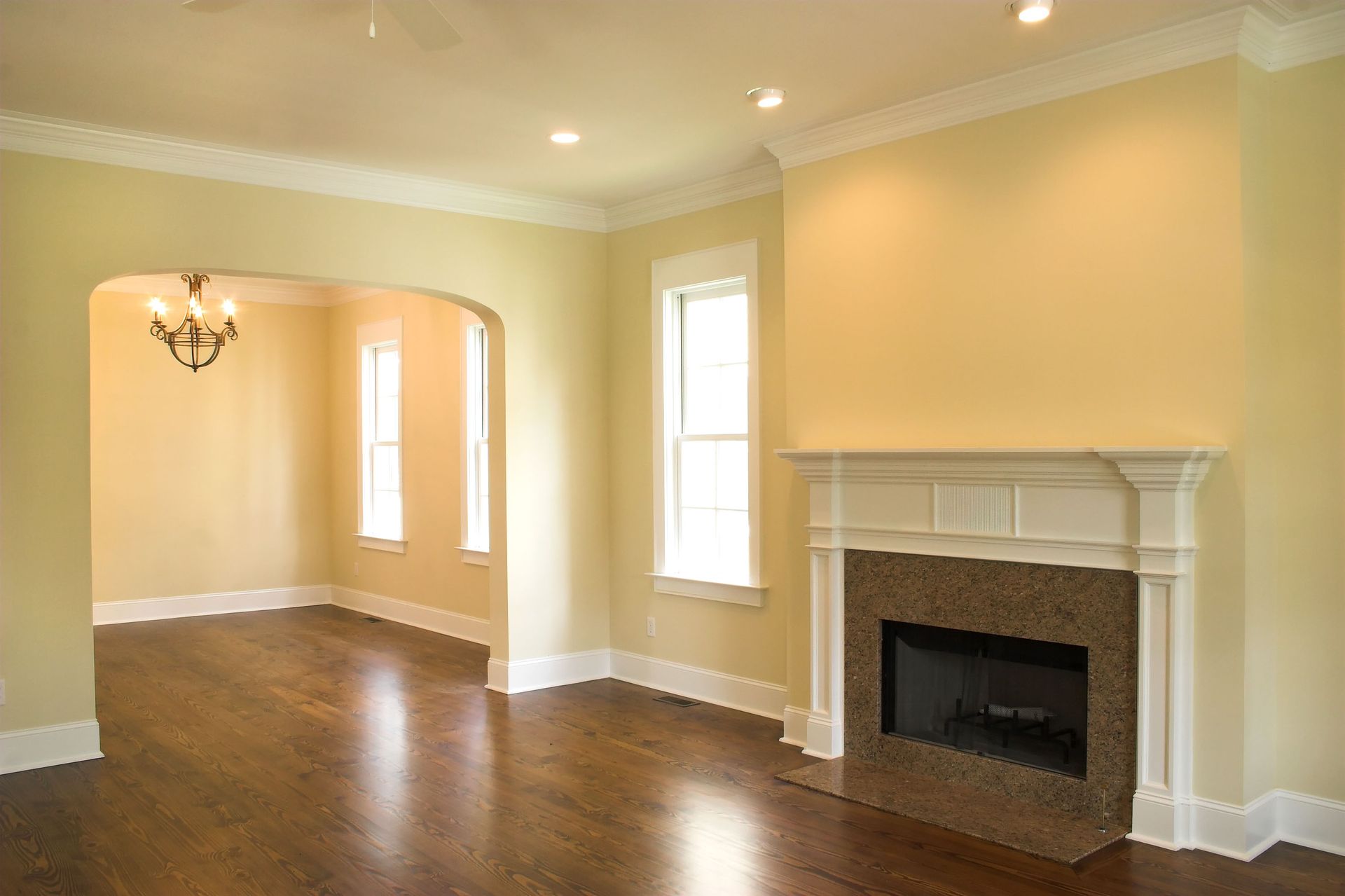
Trim work is also an important part of professional woodworking. Baseboards, crown molding, door casings, wainscoting, and other architectural details can give rooms a more finished appearance. According to HomeGuide, carpenters can install about 20 linear feet of interior trim per hour, although projects with numerous corners, angles, and other details may take longer.
A woodworking contractor can also handle repairs, restoration, and modifications to existing woodwork. This may include repairing damaged cabinets, replacing worn trim, updating built-ins, or matching new pieces to older architectural details. These services can be particularly useful in older homes where preserving the original character is an important consideration.
How to Choose the Right Woodworking Contractor for Your Home?
Finding the right professional starts with identifying contractors who have experience with the type of project being considered. Someone who primarily builds outdoor structures may not have the same experience with detailed interior cabinetry or fine furniture. Reviewing a contractor's previous work can provide useful insight into their capabilities, attention to detail, and design style.
A portfolio can also help homeowners determine whether a contractor's work aligns with their vision. Look for examples that demonstrate clean joints, consistent finishes, accurate installation, and thoughtful use of materials. If possible, ask about projects similar in scope and style to the one being planned.
Client reviews can provide another perspective. While online feedback should not be the sole deciding factor, repeated comments about communication, punctuality, workmanship, and project management can help identify patterns. Homeowners should also ask for a detailed estimate explaining materials, labor, finishing work, and other expected costs before work begins.
Communication is particularly important for custom projects. A woodworking contractor should be willing to discuss dimensions, materials, finishes, timelines, and design expectations before fabrication starts. Clear communication can reduce misunderstandings and give homeowners a better understanding of what the finished project will look like.
What Are the Benefits of Hiring a Woodworking Contractor?
One of the biggest advantages of hiring a woodworking contractor is precision. Custom woodwork must account for the exact dimensions and characteristics of a particular space. Small inaccuracies can become noticeable when cabinets do not align properly or trim fails to meet cleanly at corners.
Professional craftsmanship can also contribute to durability. Quality materials and proper construction techniques can help cabinetry, shelving, furniture, and architectural details withstand years of everyday use. A contractor can also recommend wood species and finishes based on the intended application.
Customization is another major benefit. Instead of choosing from predetermined sizes and designs, homeowners can work with a professional to create something suited to their preferences. A built-in bookcase, for example, can incorporate specific shelf heights, cabinet doors, lighting, or storage compartments.
The visual impact can be significant as well. Carefully selected woodwork can introduce warmth, texture, and architectural interest. These details may make a home feel more cohesive and polished without requiring a complete renovation.
What Is the Cost of Hiring a Woodworking Contractor?
The cost of hiring a woodworking contractor depends on several factors, including the project's size, materials, design complexity, labor requirements, and finishing details. A simple shelving installation will generally require a different budget than a large set of custom kitchen cabinets or a room filled with built-in furniture.
Material selection can have a particularly noticeable effect on the final price. Different types of hardwood, softwood, plywood, veneers, and specialty materials vary considerably in cost. The desired stain, paint, hardware, and protective finish can also influence the budget.
Labor represents another important consideration. Custom projects often require measuring, design work, fabrication, installation, and finishing. More intricate designs may take substantially longer to build and install than straightforward pieces. HomeGuide reports that carpenter rates can vary significantly based on the type of work and skill level, with finish carpenters generally charging more than professionals performing basic framing work.
Homeowners can make budgeting easier by establishing priorities before requesting estimates. Determine which features are essential and which could be added later. Getting multiple detailed estimates can also make it easier to compare what each contractor includes rather than simply choosing the lowest initial price.
What Are Some Common Projects a Woodworking Contractor Can Handle?
Built-in shelving is a popular project because it can transform otherwise unused wall space into functional storage. Shelves can be designed around televisions, fireplaces, windows, or architectural features while providing a more integrated appearance than freestanding furniture.
Custom cabinetry is another common choice. Homeowners may commission cabinets for kitchens, bathrooms, mudrooms, laundry rooms, offices, and other areas. A woodworking contractor can account for available space while incorporating storage features that suit the homeowner's daily routines.
Interior trim can also make a noticeable difference. Crown molding, decorative wall paneling, wainscoting, and upgraded door casings can add architectural character without requiring major structural changes. These details can be particularly effective in older homes where homeowners want to preserve or enhance traditional design elements.
A woodworking contractor may also create custom furniture and unique accents. Dining tables, mantels, benches, floating shelves, window seats, and decorative wall features can give a home a more personal appearance. Because these pieces can be made to specific dimensions, they can work particularly well in rooms with unusual layouts.
Another possibility is a custom closet or storage system. Rather than relying on generic shelving, homeowners can have storage designed around clothing, equipment, household supplies, or other specific needs. This can make better use of vertical space while keeping frequently used items organized.
Hiring a
woodworking contractor can also provide access to specialized craftsmanship that is difficult to achieve with standard furniture or prefabricated products. By reviewing portfolios, checking client feedback, comparing estimates, and discussing materials and expectations upfront, homeowners can make informed decisions about their projects.
Whether the goal is a single custom shelf or a larger renovation involving cabinetry, furniture, and architectural details, professionally crafted woodwork can become a lasting part of the home. With careful planning and quality workmanship, these additions can provide everyday functionality while contributing to the elegance and character of the entire property.
The value of custom woodworking is ultimately about more than appearance. Well-designed wood features can improve storage, complement the architecture, and make everyday spaces more enjoyable to use. By choosing the right professional and planning the project carefully, homeowners can create improvements that remain useful and attractive for years to come. If you're looking for custom woodworking, reach out to Woodcrafters of Virginia today!