April 22, 2026
Starting a woodworking project is exciting, but it can also raise questions about where to begin. Whether you are planning custom cabinetry, built-in shelving, trim work, or another wood feature, working with a local woodworking contractor can make the process smoother and more efficient. These professionals bring craftsmanship, practical guidance, and knowledge of regional materials and styles. Understanding what to expect from consultation through installation helps you plan confidently and communicate clearly throughout the project.
What to Expect When Starting the Consultation and Planning Process
Most woodworking projects begin with a conversation. During the first consultation, a local woodworking contractor will usually ask detailed questions about your goals, your space, and how you plan to use the finished piece. This discussion helps them understand both the functional needs and the visual style you want to achieve.
At this stage, homeowners often bring photos, inspiration images, sketches, or even rough measurements. These references help the contractor visualize the concept and determine whether the idea is practical within the available space. A collaborative discussion often leads to new ideas, design adjustments, or suggestions that improve the original plan.
Consultations are also when expectations begin to take shape. A contractor may explain the types of wood that work best for the project, the complexity involved, and how the installation process will unfold. This early communication helps build trust and sets the foundation for a smooth working relationship moving forward.
What to Expect When Discussing Design Ideas and Project Details
After the initial consultation, the design phase usually becomes more detailed. This is where the vision begins to take a clearer form. A local woodworking contractor will often translate your ideas into drawings, layouts, or design concepts that illustrate how the finished piece will look and function.
The design discussion is not just about appearance. Contractors also evaluate structural considerations, dimensions, and how the project integrates with the existing space. For example, custom cabinetry must align with wall framing, flooring levels, and surrounding fixtures to ensure a seamless installation.
During these conversations, homeowners often discover new possibilities. Contractors may recommend design elements such as hidden storage compartments, decorative trim, or more durable wood species that improve both aesthetics and functionality. The design stage is collaborative, and open communication helps ensure the final plan reflects both craftsmanship and personal style.
What to Expect When Reviewing Materials and Craftsmanship Options
Material selection is one of the most important parts of any woodworking project. Different wood species vary in durability, grain pattern, color, and cost. A skilled contractor will guide you through these options so you can choose materials that align with both your design preferences and your budget.
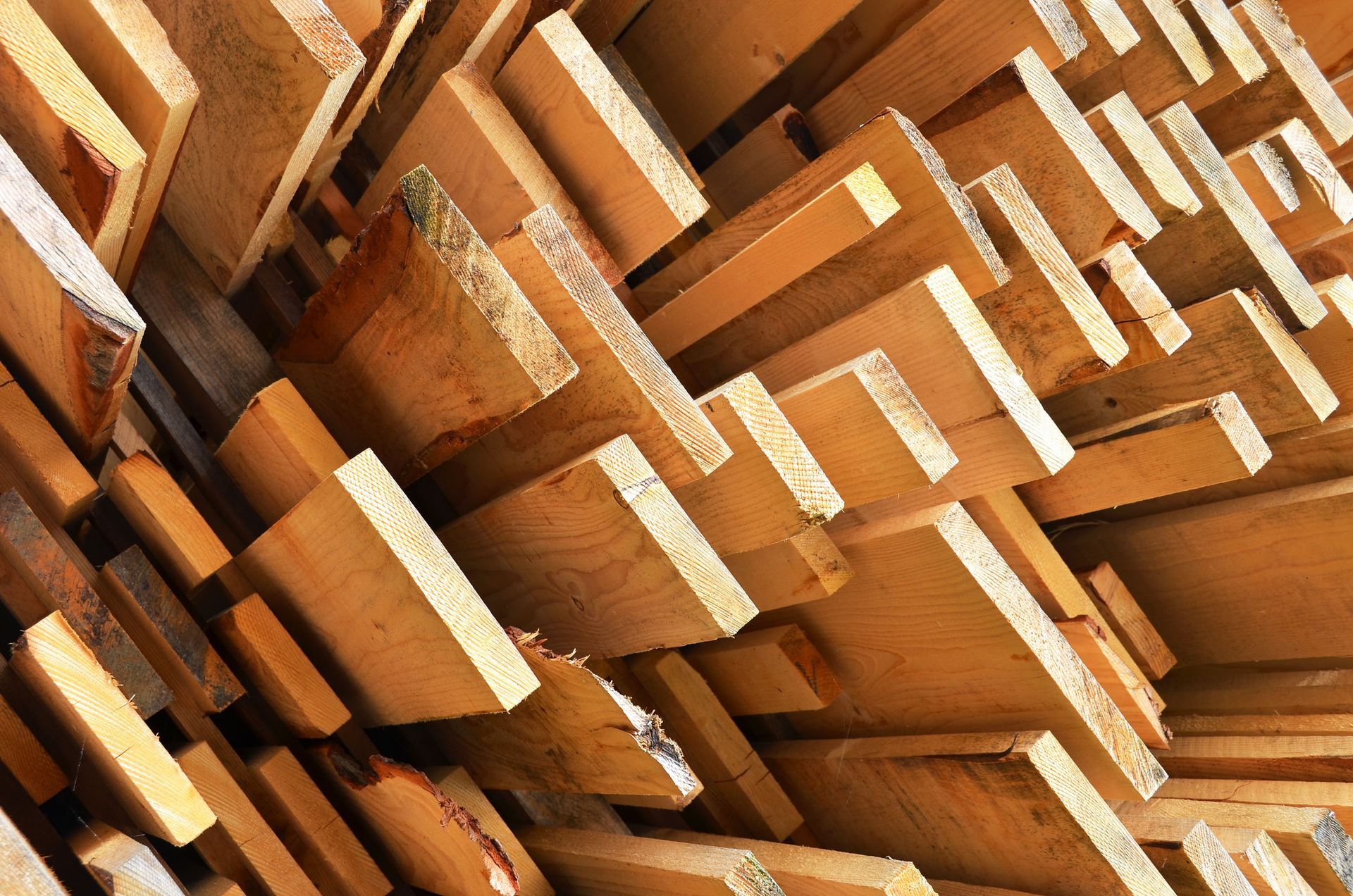
Hardwoods like oak, maple, and walnut are often chosen for their strength and distinctive grain patterns. Softer woods or engineered materials may be used in certain applications where flexibility or affordability is important. A knowledgeable contractor explains the advantages and limitations of each option so you can make an informed decision.
In addition to wood type, finishes play a major role in the final appearance. Stains, paints, and protective coatings can dramatically change how a piece looks and performs over time. A local woodworking contractor typically provides samples or examples of past projects to help you visualize how different finishes will appear once installed.
What to Expect When Establishing Project Timelines and Milestones
Every custom woodworking project follows a timeline, and understanding that schedule helps keep the process organized. During planning, the contractor will outline how long each stage may take, including design approval, material sourcing, fabrication, and installation.
Smaller projects like shelving or trim work may move quickly, while larger builds such as custom cabinetry require more time. For example, according to HomeGuide, an interior trim project covering about 125 linear feet can take just over six hours depending on complexity. A local woodworking contractor can explain how your specific project timeline may vary and set milestones that keep everything moving smoothly.
What to Expect When Receiving Estimates and Budget Breakdowns
Budget conversations are a natural part of planning any custom woodworking project. A professional contractor will typically provide a detailed estimate outlining the expected costs for materials, labor, and installation. This transparency helps homeowners understand exactly where their investment is going.
Estimates may vary depending on the complexity of the design, the type of wood selected, and the level of customization involved. Handcrafted pieces require time, skill, and specialized tools, which can influence overall pricing. However, many clients find that the durability and uniqueness of custom woodworking make it a worthwhile investment.
During this stage, it is helpful to ask questions about any line items that are unclear. A local woodworking contractor should be able to explain the cost of materials, the expected labor hours, and any optional upgrades that could change the final price. This conversation ensures that the project stays aligned with your financial expectations while still delivering quality craftsmanship.
What to Expect When Construction and Fabrication Begin
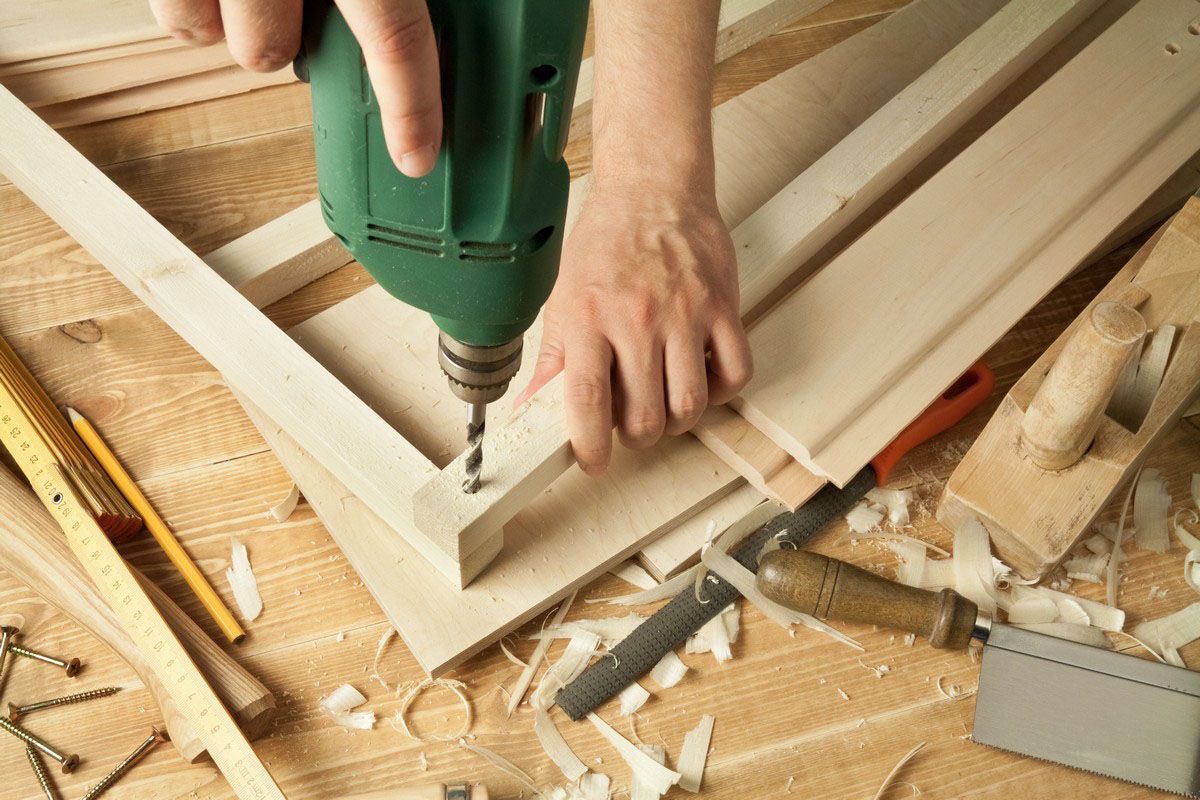
Once plans are finalized and materials are selected, the fabrication phase begins. This is when raw wood is measured, cut, shaped, and assembled into the components that will eventually become your finished project. Skilled woodworking requires precision, patience, and attention to detail throughout every step of the process.
Some pieces are built entirely in a workshop before installation. Cabinets, furniture, and custom built-ins are often partially assembled off-site to ensure accurate joinery and finish quality. Working in a controlled environment allows contractors to maintain higher consistency in their craftsmanship.
Other projects may involve work directly in the home, especially when measurements must be exact. During this stage, your local woodworking contractor may periodically update you on progress or confirm small design details before final assembly. These check-ins help ensure the finished piece matches the agreed-upon vision.
What to Expect When Installation and Finishing Take Place
Installation is the moment when all of the planning and craftsmanship finally come together. The contractor will carefully position, secure, and adjust each piece to ensure it fits seamlessly within the existing structure. Even small adjustments can make a significant difference in the final appearance.
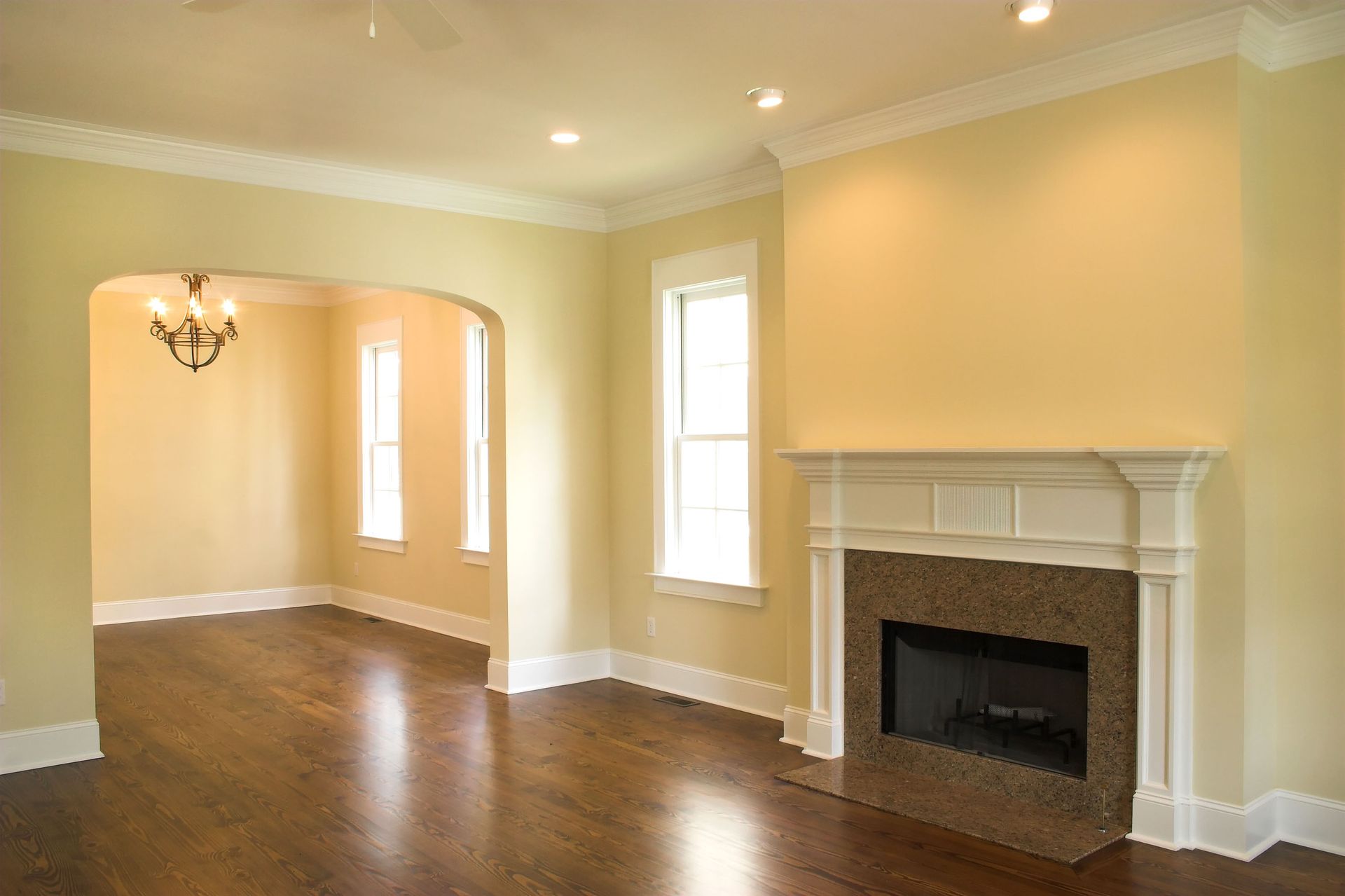
During installation, precision matters. Cabinets must be level, trim pieces must align perfectly, and built-ins must integrate with surrounding walls and flooring. Skilled contractors often spend additional time fine-tuning these details so the finished result appears natural and professionally integrated.
Once installation is complete, finishing touches such as final sanding, sealing, or hardware installation may take place. A local woodworking contractor will typically walk through the finished project with you to confirm that everything meets expectations and that you understand any recommended maintenance practices.
What to Expect When Maintaining and Caring for Custom Woodwork
Custom woodworking pieces are designed to last for many years, but proper care helps preserve their appearance and performance. Contractors often provide guidance on cleaning methods, protective coatings, and environmental considerations that can affect wood over time.
Wood naturally expands and contracts with changes in humidity and temperature. Maintaining a stable indoor climate can help prevent minor shifts or surface changes. Regular cleaning with gentle products also helps protect finishes and preserve the natural beauty of the material.
If adjustments or repairs are needed later, working with the original contractor can be helpful. Because they understand how the piece was built, a local woodworking contractor can often perform maintenance or refinishing more efficiently than someone unfamiliar with the project.
Working with a woodworking professional combines creativity, craftsmanship, and careful planning from consultation to installation. Choosing a local woodworking contractor adds value because they understand regional styles, materials, and construction considerations, often leading to smoother communication and better results. When you understand the stages of the process, it becomes easier to plan confidently and achieve custom wood features that enhance your space. Contact Woodcrafters of Virginia today to discuss your project and get started.