January 5, 2026
Wood moulding has long been a defining element in interior design, valued for its ability to add structure, character, and refinement to a space. More than a decorative accent, moulding enhances architectural detail and visually ties a room together. Homeowners often turn to a professional wood moulding service to achieve clean lines, balanced proportions, and lasting results. From subtle trim work to statement ceiling designs, wood moulding complements a wide range of interior styles, offering both functional and aesthetic advantages. Whether incorporated into traditional homes or modern interiors, moulding provides depth, balance, and a sense of intentional design.
1. Adding Architectural Interest
1.1 Crown Moulding
Crown moulding creates a refined transition between walls and ceilings, instantly elevating the overall appearance of a room. This classic feature draws the eye upward, subtly emphasizing ceiling height and adding a finished, cohesive look. A skilled wood moulding service can customize crown profiles to suit both ornate traditional interiors and streamlined modern spaces.
Beyond aesthetics, crown moulding brings balance to a room by visually framing the upper perimeter. Intricate profiles lend themselves to formal spaces, while simpler designs provide understated elegance. When installed by an experienced wood moulding service, crown moulding adapts seamlessly to evolving design trends without losing its timeless appeal.
1.2 Baseboards
Baseboards serve as both a protective and decorative element, covering the joint between the wall and floor while enhancing visual structure. They prevent damage from everyday activity and create a polished edge that grounds the room's design.
Design choices such as height, profile, and finish influence the overall aesthetic. Many homeowners rely on a professional wood moulding service to coordinate baseboards with other trim elements, creating a unified architectural style throughout the space.
1.3 Coffered Ceilings
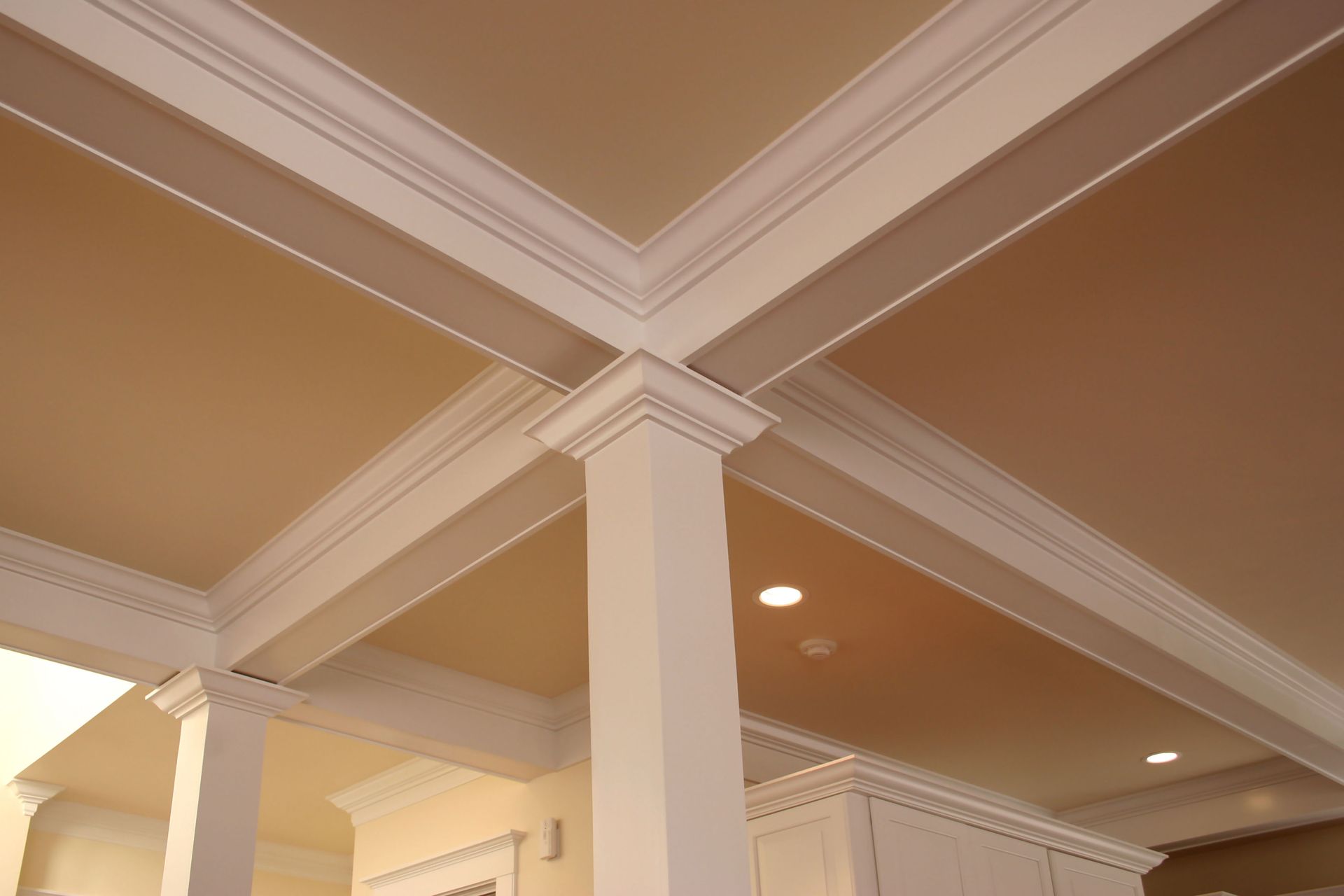
Coffered ceilings introduce depth and architectural richness through recessed panels framed with moulding. This technique transforms ceilings into focal points, adding dimension and visual interest that elevates the entire room.
Often associated with classic architecture, coffered ceilings can also be adapted for contemporary interiors through simplified grid patterns and clean finishes. A custom wood moulding service allows these ceiling designs to be scaled appropriately for different room sizes and layouts.
1.4 Wall Panelling
Wall panelling adds texture, depth, and durability to vertical surfaces while enhancing overall design cohesion. From full-height panels to partial installations, panelling introduces architectural detail without overwhelming the space.
Styles such as beadboard, shiplap, and raised panels can be tailored to suit traditional, transitional, or modern aesthetics. Working with a professional wood moulding service allows for precise installation and consistent alignment across wall surfaces.
1.5 Picture Rails
Picture rails combine form and function by providing a decorative way to hang artwork without damaging walls. Positioned horizontally near the ceiling, they add historical charm while maintaining flexibility for rotating displays.
In addition to their practical purpose, picture rails contribute to vertical balance within a room. A knowledgeable wood moulding service can integrate picture rails seamlessly with existing trim for a cohesive appearance.
2. Creating Illusions of Height or Space
2.1 Vertical Emphasis
Vertical moulding elements can dramatically influence how a room's proportions are perceived. By drawing the eye upward, vertical lines create the illusion of higher ceilings and increased openness, making compact spaces feel more expansive.
Techniques such as board and batten or vertically aligned wall panels are especially effective in rooms with lower ceilings. These applications are often executed by a wood moulding service to maintain symmetry and clean transitions.
2.2 Layered Trim
Layered trim involves combining multiple moulding profiles to create depth and visual complexity. This technique introduces subtle shadowing and dimension, enhancing ceilings, doorways, and wall transitions.
Although layered trim requires careful planning, a skilled wood moulding service can deliver a refined, custom appearance that adds architectural sophistication without extensive renovation.
2.3 Chair Rails
Chair rails serve both protective and decorative purposes, traditionally installed to prevent wall damage from furniture. Visually, they divide wall space and introduce proportion, enhancing balance within a room. According to This Old House, chair rail molding typically runs horizontally about three feet above the floor in formal dining rooms, a placement that supports both function and visual harmony.
Chair rails also allow for creative wall treatments, such as contrasting paint colors or materials above and below the rail. Many homeowners work with a wood moulding service to achieve precise placement and clean lines.
2.4 Shadow Box Moulding
Shadow box moulding uses framed panel designs to create visual rhythm and depth across walls. These symmetrical layouts introduce architectural interest while maintaining a clean, organized appearance.
Installed properly, shadow box designs elevate large wall expanses without overpowering the room. A custom wood moulding service allows these layouts to align perfectly with existing architectural elements.
2.5 Wainscoting
Wainscoting adds durability and refinement by covering the lower portion of walls. It protects high-traffic areas while contributing texture and visual structure.
Available in a variety of styles, wainscoting works well in dining rooms, staircases, and hallways. A professional wood moulding service can tailor panel height and spacing to enhance room proportions.
3. Enhancing Interior Styles
3.1 Modern Minimalism
In minimalist interiors, wood moulding plays a subtle but intentional role. Clean profiles and flat trim provide definition without visual clutter, supporting the minimalist emphasis on simplicity and order.
Even in restrained designs, a specialized wood moulding service helps introduce warmth and structure while maintaining a streamlined aesthetic.
3.2 Traditional Elegance
Traditional interiors benefit from detailed wood moulding that enhances architectural richness. Ornate crown mouldings, wainscoting, and decorative trim create a layered, cohesive aesthetic rooted in classic design.
These elements emphasize craftsmanship and historical influence, adding depth and visual interest. A seasoned wood moulding service helps preserve authenticity while maintaining precision.
3.3 Rustic Ambiance
Rustic interiors often incorporate wood moulding with natural finishes to create warmth and authenticity. Distressed textures and visible grain patterns enhance the organic character of the space.
3.4 Transitional Design
Transitional interiors blend traditional and contemporary elements, and wood moulding helps bridge the gap. Simplified profiles paired with classic placements create a balanced, versatile look.
4. Functional Benefits of Wood Moulding
4.1 Wall Protection
Moulding elements such as baseboards, chair rails, and wainscoting protect walls from everyday wear. These features reduce visible damage while maintaining a polished appearance.
4.2 Visual Organization
Wood moulding helps define zones within open or multi-purpose spaces. By framing walls and transitions, it creates structure that enhances spatial clarity.
4.3 Increased Perceived Value
Architectural details added through moulding often increase a home's perceived quality. Well-executed trim work completed by a wood moulding service suggests thoughtful design and attention to detail.
Wood moulding also offers long-term versatility, allowing spaces to evolve without requiring major structural changes. As design preferences shift, moulding can be painted, refinished, or reconfigured to support new styles while maintaining architectural integrity. This adaptability makes it a practical choice for homeowners who value both design longevity and flexibility. Thoughtfully selected profiles contribute to smoother transitions between rooms and help establish a consistent visual language throughout the home. By combining craftsmanship with purposeful design, wood moulding supports interiors that feel cohesive, intentional, and enduring well beyond current trends.
Wood moulding remains a powerful design tool capable of transforming interiors through architectural enhancement, spatial refinement, and stylistic cohesion. From subtle trim to detailed ceiling work, partnering with a professional wood moulding service allows homeowners to achieve lasting value, balance, and visual depth. Its adaptability across styles and applications makes wood moulding a timeless investment in both form and function. Reach out to Woodcrafters of Virginia today to learn more.